
Healthy Eating

Good Nutrition is Essential for Good Health
People with healthy eating habits live longer and are at lower risk for serious health issues such as heart disease, type 2 diabetes, and obesity. For people with chronic diseases, healthy eating can help manage these conditions and prevent complications.
Healthy eating is one of the biggest factors in having better health overall.
Healthy Eating Tips

Add Healthy Fats
Good fats are a critical part of a health diet. Foods with monounsaturated and polyunsaturated fats are important for your brain and heart.
Limit foods with trans fats, which increase the risk for heart disease. Good sources of healthy fats include olive oil, nuts, seeds, certain types of fish, and avocados.
Reduce Sodium
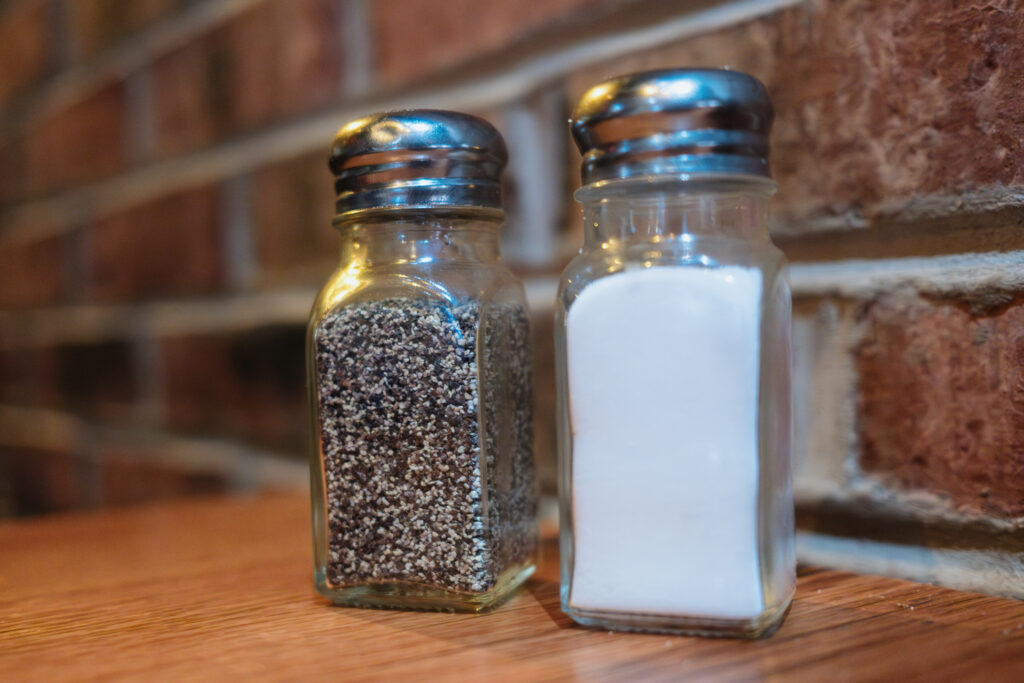
Sodium increases blood pressure, which raises the risk for heart disease and stroke. About 90% of Americans 2 years old or older consume too much sodium.
For most people ages 14 years and older, sodium should not exceed 2,300 mg per day.

Increase Fiber
Fiber in your diet not only keeps you regular, it also helps you feel fuller longer. Fiber also helps control blood sugar and lowers cholesterol levels.
Fresh fruits and vegetables, whole grains, and legumes (beans and peas) are good sources of fiber.

Add Variety
Foods like dark, leafy greens, oranges, and tomatoes—even fresh herbs—are loaded with vitamins, fiber, and minerals.
Healthy Eating Recipes
Hooked Recipe Book
Recipes using heart-healthy seafood from the best choices and lowest mercury fish.
Recipe Cards
Healthy variations for vegetarian Reina Pepiada, also available in Spanish.
Fresh From Florida
Find healthy recipes that incorporate Florida grown products.
Micronutrients
Micronutrients (vitamins and minerals) are critical for several important bodily functions. Vitamins and minerals are not produced in the body, except for vitamin D. Instead, they’re consumed through food or supplements.
Six essential micronutrients:
- Iron is critical for motor and cognitive development.
- Vitamin A supports healthy eyesight and immune system functions.
- Vitamin D builds strong bones by helping the body absorb calcium. This helps protect older adults from osteoporosis.
- Iodine is required during pregnancy and infancy for the infant’s healthy growth and cognitive development.
- Folate (vitamin B9) is essential in the earliest days of fetal growth for healthy development of the brain and spine.
- Zinc promotes immune functions and helps people resist infectious diseases including pneumonia and malaria. Zinc is also needed for healthy pregnancies.
Breastfeeding
Breastfeeding is the best source of nutrition for most infants. It can also reduce the risk for certain health conditions for both infants and mothers.
Benefits of breastfeeding for infants, reduces risk of:
- Asthma
- Obesity
- Type 1 diabetes
- Lower respiratory disease
- Ear infections
- Gastrointestinal infections
Breastfeeding benefits for mothers, reduces risk of:
- High blood pressure
- Type 2 diabetes
- Ovarian cancer
- Breast cancer
Nutrition Access Programs
Learn more about programs in Florida that work to increase the nutrition and wellness of residents: