
Healthy Habits
How many days does it take to form a new habit?
Some studies point to 21 days as the magic number, while other studies suggest it takes months and sometimes up to a year for a habit to take hold.
Health educators and nutritionists with the Florida Department of Health encourage the health benefits of small lifestyle changes: eating more vegetables and fruits, replacing high-calorie drinks with water, taking daily walks, or choosing the stairs over elevators.
So with small changes in mind, we suggest using two months, or about 66 days, to form a new habit.
Start small and easy
Small steps done every day can get you started on a path to better health, and set you up for larger, more challenging, goals.
Get Active
Move your body every day to boost energy, build strength, and feel your best.

What counts as physical activity?
Any activity that gets your heart beating more, or gets your heart rate up, counts. If you’re not physically active, start small to build the habit—walking is one of the easiest ways to start. You can do it almost anywhere and at any time. Walking is also inexpensive. All you need is a pair of shoes with sturdy heel support.
Places for Activities
Walk More
- Give you more energy
- Help you relax
- Reduce stress
- Help you sleep better
- Tone your muscles and strengthen your bones
- Help control your appetite
- Increase the number of calories your body uses
- Help prevent type 2 diabetes
- Help prevent cardiovascular disease

Create your own walking schedule that will work for you, and:
- Talk to your health care provider before you start your walking program.
- Choose safe places to walk.
- Wear shoes with thick flexible soles that will cushion your feet and absorb shock.
- Try to walk at least 5 times per week.
- To avoid stiff or sore muscles or joints, start gradually.
- Over several weeks, begin walking faster, going farther, and walking for longer periods of time.
Focus on One or Two New Habits
- Drink plenty of water throughout the day to keep you hydrated and satisfied.
- If you use tobacco, quit. Tobacco Free Florida has free resources available to you that can help you on your journey.
- When you walk, run, lift weights, do yoga, play sports, dance, garden, or even clean your house, you’re being physically active. Different types of exercise and movement benefit you in different ways. That’s why you need to vary the types of physical activity you do during the week.
- At least twice a week, work on strengthening your muscles. Find exercises that work for you. You can use weights, resistance bands or your body weight.
- Every day, stretch to improve your posture and balance, and to help relieve stress.
Protect Your Smile
Keep your mouth healthy to prevent disease and support total body wellness.
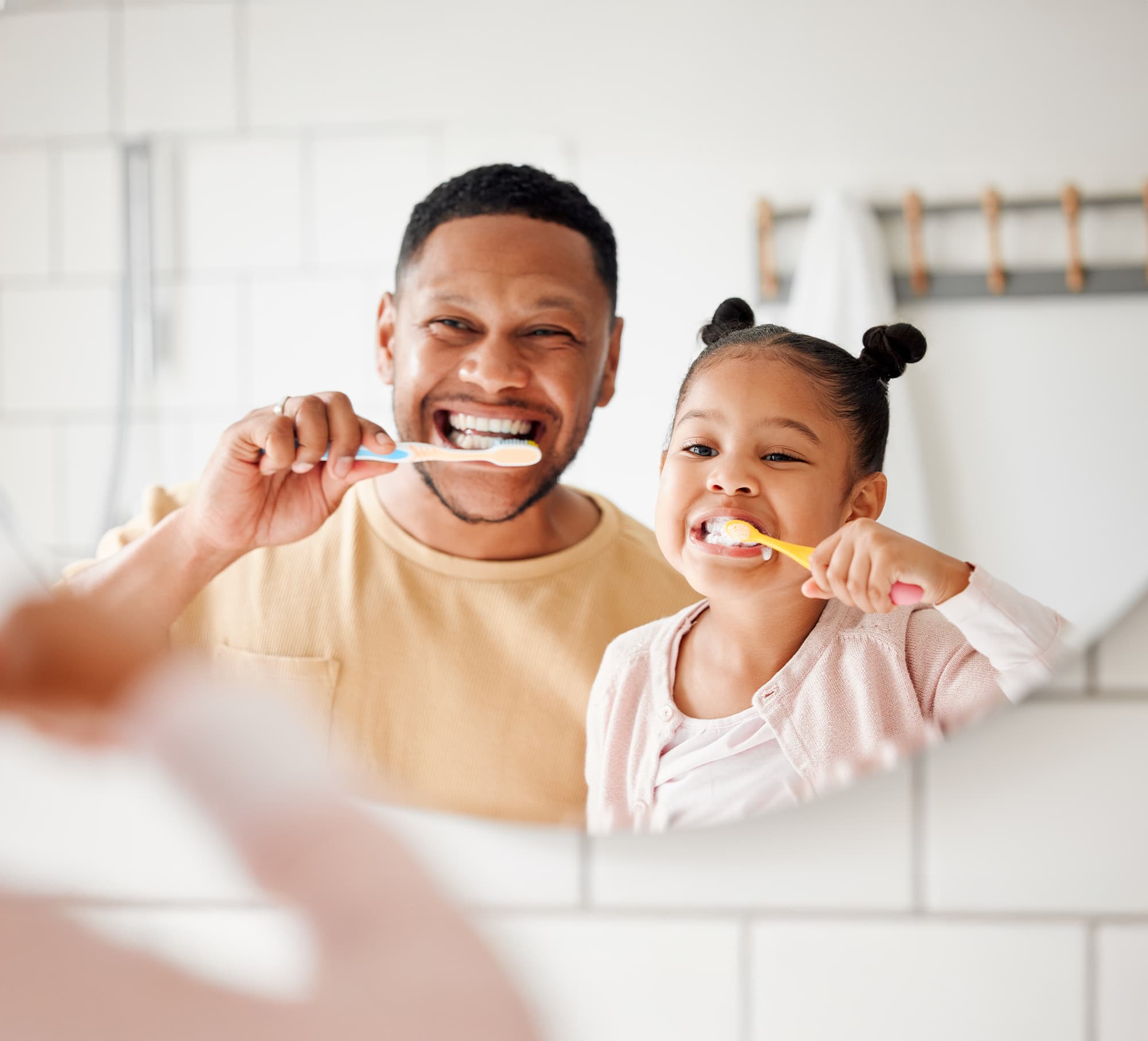
oral health Matters
It is more important than you might realize. Studies suggest that oral bacteria and the inflammation associated with gum disease can contribute to endocarditis, cardiovascular disease, diabetes, osteoporosis, Alzheimer’s disease, and other health conditions.
To protect your oral health, practice good oral hygiene. Brush your teeth at least twice a day for two minutes each time with a soft-bristled brush and fluoride toothpaste, eat a healthy diet, limit sugary food and drinks, and schedule regular dental checkups and cleanings.
Strengthen Your Mind
Care for your mental health to stay focused, balanced, and emotionally strong.

Focusing on mental well-being
Mental well-being includes our emotional, psychological, and social wellness. It affects how we think, feel, and act. It also helps determine how we handle stress, relate to others, and make healthy choices. Focusing on mental well-being is important at every stage of life, from childhood and adolescence through adulthood
Things you can do to support your mental well-being:
- Take care of your health. Take deep breaths, stretch, or meditate. Try to eat healthy, well-balanced meals, exercise regularly, and get plenty of sleep. Avoid alcohol, tobacco, and other drugs.
- Make time to unwind. Try to do activities you enjoy.
- Connect with others. Talk with people you trust about your concerns and how you’re feeling.
Our Programs
DOH uses multi-faceted resources to address mental wellbeing in Florida. Our various programs work with patients, health care providers, first responders, county health departments, and other state agencies to effectively address these important areas and aid all Floridians.
Florida Department of Health
Advances mental wellness through prevention, education, and outreach.
Learn More
Florida Department of Children and Families
Leads statewide programs supporting mental health care and crisis services.
Learn More
Florida Department of Veterans Affairs
Provides mental health and substance abuse support for Veterans and families.
Learn More
Florida Department of Education
Promotes student resiliency through skills-based programs and resources.
Learn More